
12 practical guides
Learning and accessible audio
Build understandable audio lessons, spoken examples, navigation cues, and text alternatives.
Audio lessons need a structure that works without a page in front of the listener. Explain the task, introduce unfamiliar terms, and leave room to think before moving on. These guides explore slide narration, worked examples, quizzes, listening passages, and accessible handoffs. Pair audio with useful text and controls so learners can choose how to engage. Review the final material with the actual lesson interface; a clear script can still become difficult to follow when playback, navigation, or timing gets in the way.
Write a Narrated Slide Deck Script That Matches Each Slide
Plan a narrated slide deck with slide-level scripts, visual explanations, timing checks, and a clean audio handoff for presentations and training.
Read the guide →Write Step-by-Step Software Training Audio People Can Follow
Create software training audio with clear action cues, exact interface labels, deliberate pauses, and revision notes that stay aligned with the screen.
Read the guide →Quiz Feedback Audio Scripts for Correct Answers and Retries
Write quiz feedback audio that explains the reasoning, handles common mistakes, and gives learners a useful next step without repetitive filler.
Read the guide →Create Listening Practice Audio Passages With Clear Tasks
Design listening practice passages with a defined task, answer evidence, replay boundaries, transcripts, and careful review of pronunciation and pace.
Read the guide →Read-Along Audio Timing: Align Paragraphs Without Losing the Text
Align read-along audio with approved text using paragraph IDs, measured boundaries, revision tracking, and checks for highlights that drift out of sync.
Read the guide →Create Useful Text Alternatives for Audio Lessons
Build text alternatives for audio lessons that match the final narration, preserve essential context, and remain easy to find and update beside the player.
Read the guide →Describe Charts in Audio Lessons With Meaningful Comparisons
Write chart narration that states the subject, units, and important relationships, with worked examples and a separate path to the underlying data.
Read the guide →Audio Lesson Navigation Cues for Pauses, Replays, and Next Steps
Write audio lesson navigation cues that orient listeners, separate instructions from content, and make pauses, optional sections, and replays predictable.
Read the guide →Hand Off Audio Lessons With Clear Player Accessibility Requirements
Prepare an audio player handoff with transcripts, meaningful labels, keyboard checks, playback expectations, and a practical review of the published lesson.
Read the guide →Create Pronunciation Drill Audio With Reviewed Model Phrases
Build pronunciation drill audio from reviewed phrases, controlled contrasts, clear repetition gaps, and transcripts that keep the target sounds unambiguous.
Read the guide →Write Narrated Worked Examples That Explain Each Decision
Script narrated worked examples with a clear starting state, visible decisions, intermediate results, and a separate learner attempt for practical review.
Read the guide →Revise Microlearning Audio Without Breaking the Lesson
Update short learning audio with a change map, stable segment IDs, matching transcripts, and focused checks of the revised lesson and its surrounding steps.
Read the guide →Ready to find your next voice?
Listen to the samples, try a short preview, then create speech with prepaid credits in your workspace.
Open your studioHear your words come to life
Choose a voice and try a short preview.
Listen to sample voices
Hear examples before choosing a voice. Generated results can vary with the script and reference sample.
Looking for another voice?
Explore the library and listen to a sample before you create.

Morgan Freeman
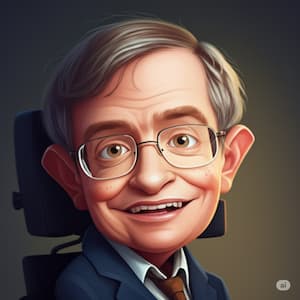
Stephen Hawking

Christiano Ronaldo

Donald Trump

Kokoro

Disney XD Announcer

Cute Japanese Girl
Vin

Adam Stone